
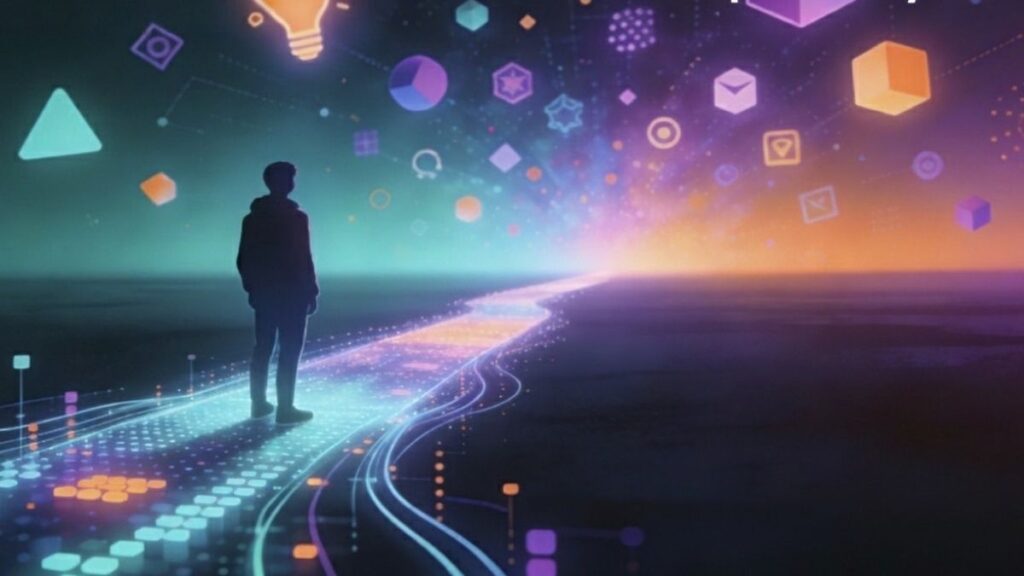
Imagine scrolling through your social media feed, only to be struck by a wave of overwhelming information. You’re not alone. Welcome to the world of internetchocks—a phenomenon that’s rapidly becoming part of our daily lives. As technology evolves and digital interaction increases, many people are experiencing an emotional and cognitive overload unlike anything seen before. It’s a new kind of shock that can leave you feeling disoriented, anxious, or even drained.
But what exactly are internetchocks? How do they differ from traditional shocks we might experience in everyday life? And more importantly, how is this affecting us as individuals and as a society? Join us on this deep dive into the rise of internetchocks: what they mean for you and how you can navigate their impact effectively.
Explaining the concept of Internetchocks
Internetchocks refer to the mental and emotional overload that occurs when individuals face an overwhelming amount of digital information. As we navigate through countless notifications, social media updates, and news articles daily, our brains can struggle to keep up.
This phenomenon isn’t just about feeling busy; it’s a genuine cognitive response. The constant barrage of stimuli can lead to feelings of anxiety or disorientation. It’s as if the internet creates a shockwave that disrupts our peace.
The term captures this unique experience in modern life—a blend of excitement and stress stemming from our hyper-connected world. Internetchocks reflect how technology shapes not only what we consume but also how we feel while living in a digital age where everything is instantaneous and relentless.
How Internetchocks are different from traditional shocks
Internetchocks are a modern phenomenon that stems from our always-on digital landscape. Unlike traditional shocks, which often relate to physical experiences or emotional reactions, internetchocks manifest through the overwhelming influx of information online.
These jolts occur when a user encounters something jarring or unexpected while browsing. This could be an alarming news headline, a shocking meme, or even a sudden change in social media trends. The rapid pace of content creation ensures there’s no shortage of surprises at every scroll.
Traditional shocks tend to be momentary and can fade with time. In contrast, internetchocks linger as they accumulate over countless interactions online. They shape perceptions and influence emotions by bombarding individuals with stimuli relentlessly throughout their day-to-day lives.
This distinction highlights how deeply intertwined our realities have become with the virtual world, creating unique challenges for mental well-being and personal connections.
The impact of Internetchocks on society and individuals
Internetchocks have woven themselves into the fabric of modern life. The constant barrage of information can lead to a sense of overwhelm for many. Individuals find it increasingly difficult to concentrate or engage in deep thinking.
On a societal level, this phenomenon alters communication dynamics. People often resort to abbreviated interactions, favoring quick texts over meaningful conversations. In some cases, relationships suffer as face-to-face engagement dwindles.
The impact extends beyond personal lives and seeps into workplaces too. Creativity may stifle under the weight of distractions and incessant notifications. Collaboration takes on new forms as teams adapt to hybrid work environments influenced by these digital shocks.
Moreover, mental health concerns are rising alongside Internetchocks. Anxiety levels increase when individuals feel compelled to stay constantly connected. This relentless pace leaves little room for reflection or downtime—two essential components for well-being.
Common examples of Internetchocks in daily life
Internetchocks are all around us, often manifesting in unexpected ways. One common example is the overwhelming flood of notifications from social media platforms. Each ping can draw attention away from important tasks, creating a sense of urgency.
Scrolling through endless feeds can also lead to decision fatigue. With so many choices at our fingertips, simple decisions become daunting and draining.
Online shopping creates another layer of internetchocks. The constant barrage of ads tailored to our browsing habits makes it hard to resist impulse purchases.
Even streaming services contribute to this phenomenon. The vast selection often leaves viewers paralyzed by options instead of enjoying their favorite shows or movies.
Virtual meetings have introduced an entirely new level of distraction. Multitasking during these sessions might seem efficient but often leads to lost focus and engagement. Each instance highlights how deeply intertwined internetchocks are with our daily routines.
Pros and cons of experiencing Internetchocks
Experiencing internetchocks can be a double-edged sword. On one hand, they often spark creativity and innovation. The sudden bursts of information can inspire fresh ideas or solutions to problems we never knew existed.
On the flip side, these shocks may lead to feelings of anxiety and overwhelm. Constant connectivity creates pressure to stay updated, which can drain mental energy.
Additionally, some individuals find that regular exposure enhances their adaptability to change. They learn how to navigate digital landscapes with ease.
However, others might struggle with distractions that come from nonstop notifications and online stimuli. It becomes challenging to focus on tasks at hand.
Each person’s response varies significantly based on their mindset and coping strategies. Balancing engagement with self-care is essential in navigating this new reality.
Coping mechanisms for dealing with Internetchocks
When faced with internetchocks, it’s essential to develop effective coping mechanisms. One approach is to set clear boundaries for online engagement. Limiting screen time can help manage the emotional toll of constant connectivity.
Mindful practices such as meditation or deep-breathing exercises can also be beneficial. These techniques ground you, fostering resilience against overwhelming digital stimuli.
Engaging in physical activities offers a refreshing break from screens. Going for a walk or hitting the gym not only boosts mood but also promotes overall well-being.
Another strategy is to curate your digital environment. Unfollow accounts that contribute to negativity and surround yourself with uplifting content instead.
Connecting with friends offline adds another layer of support during challenging times brought on by internetchocks. Personal interactions provide a sense of community that virtual connections often lack.
The future of Internetchocks and their potential effects on society
As technology advances, the prevalence of internetchocks seems poised to grow. With more people reliant on digital interactions, these shocks may become increasingly common.
The potential effects on society could be profound. Social dynamics might shift as individuals learn to navigate heightened emotional responses triggered by online engagements. The way we communicate and relate to one another might evolve significantly.
Moreover, businesses may need to adapt their marketing strategies in response to consumer behavior shaped by internetchocks. Understanding how these shocks influence purchasing decisions will be crucial for growth.
Education systems may also face challenges as they address mental health issues stemming from frequent internetchocks among students. Preparing young minds for this digital landscape is essential.
Embracing awareness and fostering resilience can lead to healthier relationships with technology moving forward.
Conclusion
The emergence of internetchocks signifies a profound shift in how we engage with technology and the world around us. These digital phenomena, distinct from traditional shocks, affect our daily lives in ways that are both intriguing and complex.
As society continues to navigate this new terrain, understanding the implications of internetchocks becomes vital. They have reshaped interpersonal relationships, influenced mental health landscapes, and even altered consumer behavior. The examples found in everyday life—from social media distractions to overwhelming information overload—illustrate their pervasive nature.
While there are notable advantages to experiencing internetchocks—like increased awareness or enhanced creativity—they also come with significant drawbacks. Stress levels can rise, productivity may plummet, and genuine connections could suffer as people become more absorbed in their screens than each other.
Coping mechanisms will play an essential role as individuals learn to manage these challenges. Mindfulness practices, digital detoxes, and setting boundaries around tech use can all offer relief from the weight of internetchocks.
Looking ahead, it’s clear that the trajectory of these experiences will continue impacting society at large. How we choose to adapt will determine whether internetchocks serve as a catalyst for growth or a source of division.
Understanding this evolving landscape is crucial for personal well-being and societal cohesion alike. Embracing change while maintaining balance might be key as we forge ahead into an increasingly interconnected future marked by these unique digital phenomena.