
Introduction to PP Foundation and its Benefits
As the demand for sustainable architecture continues to rise, innovative materials are taking center stage. One such material is the PP foundation, a game-changer in construction that not only offers durability but also aligns with eco-friendly practices. This versatile foundation type is revolutionizing the way we think about building design and sustainability. With its remarkable benefits, including cost-effectiveness and environmental friendliness, it’s no wonder architects and builders are increasingly embracing this technology.
Imagine constructing buildings that stand firm against natural elements while minimizing their carbon footprint. The PP foundation makes this vision a reality. Let’s explore how this innovative solution is reshaping green buildings today and paving the way for an environmentally conscious future in architecture.
PP Foundation in Green Buildings: A Sustainable Solution
PP foundation is gaining traction in green architecture. It offers a sustainable solution that aligns with eco-friendly building practices.
This innovative material minimizes the environmental footprint of construction projects. Its lightweight nature reduces energy consumption during transportation and installation.
Additionally, PP foundation exhibits excellent durability. This longevity means less frequent replacements, which ultimately conserves resources over time.
Its resistance to moisture and pests also enhances the lifespan of structures built on it. By lowering maintenance requirements, builders can focus more on creating energy-efficient designs.
Using PP foundations allows architects to integrate renewable materials seamlessly into their projects. This synergy not only meets sustainability goals but also elevates aesthetic appeal in modern constructions.
As more developers embrace these principles, the potential for widespread adoption grows significantly within green building initiatives across various landscapes.
Innovative Designs Using PP Foundation
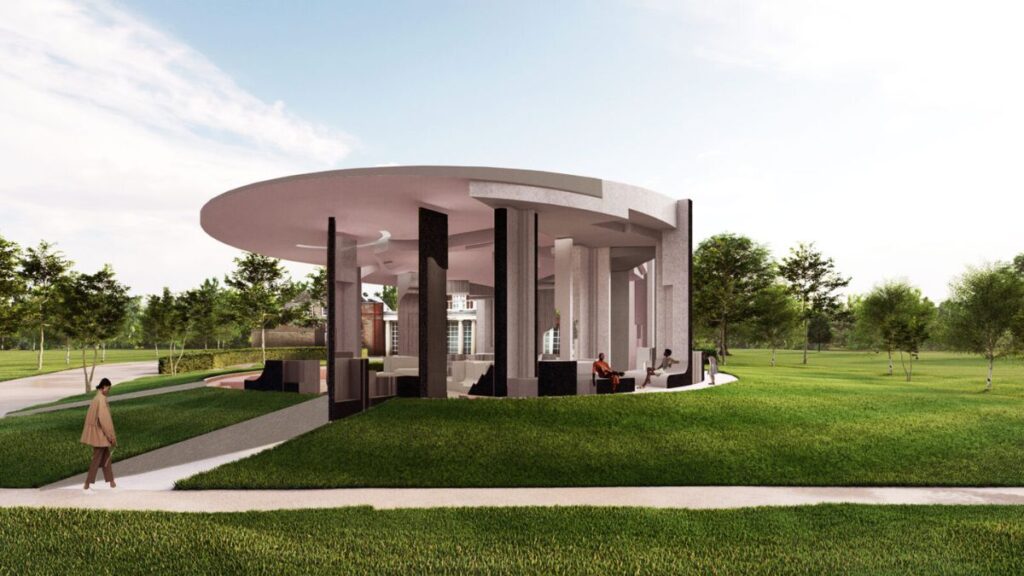
Innovative designs using PP foundation are transforming the landscape of architecture. This versatile material allows for unique structural solutions that were once deemed impossible.
One striking example is the use of PP foundation in cantilevered structures, where buildings extend outward without visible support underneath. The lightweight properties of PP provide stability while minimizing material usage.
Architects are also exploring organic shapes, creating flowing forms inspired by nature. The flexibility of PP enables curves and contours that enhance aesthetic appeal and functionality.
Additionally, modular construction techniques have embraced PP foundations to streamline assembly processes. These prefabricated components can be easily transported and connected on-site, reducing labor costs and timeframes significantly.
Incorporating renewable energy sources into designs is another exciting avenue with PP foundations. Integration of solar panels or green roofs becomes seamless when paired with this innovative building system, promoting sustainability at every level.
Case Studies of Successful Projects Utilizing PP Foundation
One standout project showcasing the effectiveness of PP foundation is the Eco Tower in Toronto. This innovative high-rise employs a PP foundation system, providing stability while reducing environmental impact. The structure integrates seamlessly with its urban surroundings, proving that sustainability can align with architectural beauty.
Another remarkable example is the Green Village in Amsterdam. Here, homes are built atop a unique PP foundation design that allows for natural water drainage and minimizes soil erosion. Residents enjoy energy-efficient living spaces without compromising on comfort or aesthetic appeal.
In India, the Lotus Temple expansion utilized PP foundations to withstand seismic activity while maintaining an eco-friendly approach. By using these advanced foundations, architects could create expansive interiors without excessive material use.
These projects exemplify how embracing PP foundation technology leads to creative solutions within sustainable architecture. Each case highlights adaptability and innovation at its core.
Cost-Effective and Efficient Construction with PP Foundation
PP foundation stands out for its cost-effectiveness in construction. It significantly reduces the need for extensive materials and labor. This efficiency stems from its lightweight design, which simplifies transportation and installation.
Building with PP foundations often leads to reduced site preparation costs. The quick setup means projects can move forward without lengthy delays. Contractors appreciate this streamlined process that enhances productivity.
Moreover, since these foundations require less excavation, they minimize environmental disruption. Fewer resources are consumed, lowering project expenses while maintaining structural integrity and durability.
Investors find value in the long-term savings associated with PP foundations as well. Lower maintenance requirements further contribute to financial efficiencies over time, making it a smart choice for sustainable architecture initiatives.
Environmental Impact of PP Foundation
The environmental impact of PP foundation is significant. This innovative material promotes sustainability throughout the construction process. By utilizing recycled plastics, it reduces waste that would otherwise end up in landfills.
PP foundations are lightweight and durable. Their properties minimize the need for extensive excavation or heavy machinery, reducing carbon emissions during installation. Additionally, they conserve natural resources by requiring fewer raw materials than traditional concrete foundations.
These foundations also improve thermal efficiency in buildings. They help maintain stable temperatures, which diminishes energy consumption for heating and cooling systems. This leads to lower greenhouse gas emissions over time.
Moreover, PP foundation has a long lifespan with minimal maintenance required. Its resistance to moisture prevents mold growth and degradation, further supporting healthy indoor environments without harmful chemicals or treatments often found in other building materials.
Future Possibilities and Advancements in Sustainable Architecture with PP Foundation
The future of sustainable architecture with PP foundation looks promising. As technology evolves, innovative applications are emerging.
One exciting area is the integration of smart materials. These can enhance the performance and lifespan of structures. Utilizing sensors embedded within PP foundations could provide real-time data on structural integrity and environmental conditions.
Moreover, advancements in recycling methods may lead to more eco-friendly production processes for PP materials. This will further reduce the carbon footprint associated with construction.
Collaboration among architects, engineers, and material scientists will drive new designs that maximize efficiency while minimizing waste.
Exploring modular construction techniques using PP foundation can streamline projects and lower costs too. The adaptability of these foundations opens doors for creative design solutions across various climates and terrains.
As researchers continue to uncover new possibilities, we’ll likely see even greater innovations in using PP foundation in sustainable architecture.
Conclusion
The innovative use of PP foundation is shaping the future of sustainable architecture. Its benefits extend beyond mere structural support; they encompass environmental, economic, and aesthetic aspects that are essential in today’s construction landscape. As green buildings gain traction, PP foundation stands out as a viable solution to address pressing issues related to sustainability.
Real-world applications highlight its versatility and effectiveness. Successful projects demonstrate how architects and builders are creatively integrating this technology into their designs, making it an attractive option for a variety of structures. Furthermore, the cost-efficiency of using PP foundations makes them accessible for both large-scale developments and smaller projects alike.
As we move forward, advancements in materials science will likely enhance the capabilities of PP foundations even further. This could lead to more innovative designs that redefine our built environment while prioritizing ecological responsibility.
PP foundation isn’t just a trend—it’s becoming an integral part of modern architecture committed to sustainability. Embracing such innovations can pave the way towards greener cities and healthier communities worldwide.