Sewing is an art that combines creativity with precision. At the heart of this craft lies a crucial element: seam types, or Nahttypen as they are known in German. Whether you’re stitching together a simple hem or crafting a complex garment, the seams you choose can make all the difference. They determine not only how your project looks but also its durability and functionality.
If you’ve ever been puzzled by which seam to use for different fabrics or projects, you’re not alone! The world of Nahttypen can be overwhelming yet fascinating. Join us on this journey as we explore the fundamentals of seam types, their rich history, various styles, and expert tips to elevate your sewing game. Let’s unravel the mysteries behind these essential stitches and discover how they can transform your creations!
The basics of seam types
Seam types are the backbone of any sewing project. They connect fabric pieces and provide strength, structure, and style to your creations.
At their core, seams can be categorized into two main groups: basic and decorative. Basic seams are functional, while decorative seams add a visual flair. Understanding these distinctions is essential for choosing the right seam for your needs.
Common basic seam types include plain seams, French seams, and flat-felled seams. Each serves different purposes based on fabric type and garment design.
On the other hand, decorative seams like topstitching or piping enhance aesthetics. These stitches not only hold fabrics together but also elevate the overall look of a piece.
Choosing the appropriate seam involves considering factors such as fabric weight and desired finish. Knowing these basics sets you on a path to successful sewing adventures!
Introduction to Nahttypen
Nahttypen, or seam types, form the backbone of sewing. They dictate not just how a garment looks but also how it functions. Each type has its own unique characteristics and applications.
Understanding nahttypen opens up a world of possibilities for both novice and seasoned sewists. From sturdy construction to delicate finishes, each seam serves a distinct purpose.
Traditionally, seams were created by hand with basic techniques. Today’s innovations allow for precision tooling and specialized machinery that elevate what was once an art into a science.
By diving deeper into nahttypen, you gain insight into fabric behavior and craftsmanship nuances. The right seam enhances durability while contributing to aesthetic appeal—an essential balance in any project.
As we explore further, you’ll discover how historical context influences modern practices in this vibrant craft.
The History and Evolution of Seam Types in Sewing
The history of seam types is as rich and varied as the art of sewing itself. Early humans used simple hand stitches, primarily for survival, to hold their garments together. As cultures evolved, so did stitching techniques.
In ancient Egypt, intricate seams adorned clothing for both function and fashion. The Romans further refined these methods, introducing the use of woven fabrics that required more sophisticated seam structures.
With the Industrial Revolution came mechanization. Sewing machines revolutionized seam construction in the 19th century, allowing for faster production and greater consistency.
As technology advanced into contemporary times, new materials emerged alongside innovative stitching techniques like flatlock and serging. Today’s sewers have a vast array of nahttypen at their disposal—each designed to meet specific needs in fabric handling and garment durability.
Different Types of Nahttypen and Their Uses
Nahttypen play a vital role in the world of sewing. Each type serves a unique purpose, enhancing both functionality and aesthetics.
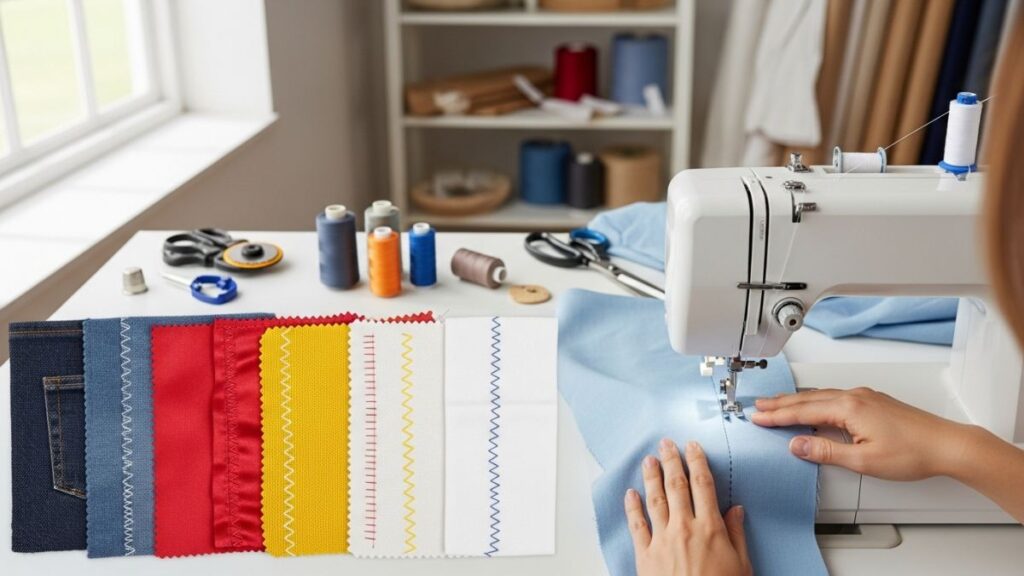
The straight seam is perhaps the most common. It’s perfect for joining two pieces of fabric together and works well with woven materials.
For added strength, consider using a zigzag stitch. This nahttyp prevents fraying on raw edges, making it ideal for knit fabrics that stretch.
The French seam offers an elegant finish to lightweight fabrics such as chiffon or silk. It encases raw edges within itself, ensuring durability while maintaining a polished look.
If you’re looking for decorative flair, try the flat-felled seam. Often used in jeans construction, this technique provides robust seams along with style.
There’s also the overlock stitch which is essential for knit garments. It trims and finishes edges simultaneously, saving time while delivering professional results.
Tips for Choosing the Right Seam Type for Your Project
Choosing the right seam type can transform your sewing project from ordinary to extraordinary. First, consider the fabric you’re using. Lightweight materials often require a delicate seam, while heavier fabrics benefit from sturdier options.
Think about the garment’s purpose too. For activewear, a flatlock seam reduces bulk and enhances comfort. If you’re creating something casual like a quilt, try using a simple straight stitch for ease.
Don’t forget about aesthetics! Some seams can add visual interest or texture to your work. A French seam offers refinement for sheer fabrics, while topstitching adds flair to denim projects.
Test different types on scrap material before committing them to your main piece. This practice helps you gauge how each one behaves with your chosen fabric and ultimately ensures better results in your final project.
Techniques for Creating Perfect Seams
Creating perfect seams requires attention to detail and practice. Start by selecting the appropriate fabric for your project. Different materials behave differently under pressure, so understanding their characteristics is crucial.
Use a sharp needle tailored for your chosen fabric type. This reduces puckering and ensures clean stitches. Don’t forget to adjust your sewing machine settings based on fabric thickness.
Pin or baste the layers together before sewing. This helps maintain alignment and prevents shifting during stitching. A walking foot can also be beneficial for slippery fabrics.
Maintain an even seam allowance throughout the process—typically ¼ inch or ½ inch works well depending on the project’s requirements. Consistency is key in achieving that polished look.
Press your seams open or to one side after sewing; this enhances structure and definition in finished garments, giving them a professional touch that stands out.
Common Mistakes to Avoid When Working with Nahttypen
When working with nahttypen, one common mistake is ignoring fabric type. Each material behaves differently under stitching. Using the wrong seam can lead to puckering or tearing.
Another frequent error involves skipping pre-washing fabrics. This step helps prevent future shrinkage and distortion. Always wash your materials first to maintain the integrity of seams.
Many sewers also overlook thread choice. Not all threads are suitable for every project. A weak thread can compromise a strong seam, so select wisely based on weight and fiber content.
Failing to test seams before starting a project can be detrimental. Create samples on scrap fabric to ensure that your chosen nahttyp performs well in practice rather than just theory. These small steps make a significant difference in finished results and overall satisfaction with your sewing projects.
The Future of Seam Types in Sewing
The future of nahttypen holds exciting potential as technology continues to evolve. With advancements in sewing machines, we can expect greater precision and efficiency in seam creation.
Smart sewing tools are emerging, equipped with sensors that guide users toward the perfect stitch for their fabric type. This innovation could revolutionize how beginners approach sewing projects.
Sustainability is also becoming a key focus. Eco-friendly fabrics paired with innovative seam techniques will change the landscape of garment construction. Seam types designed for durability and minimal waste are likely to gain popularity.
Moreover, online communities and workshops foster collaboration among sewists worldwide. This shared knowledge will lead to new seam innovations inspired by various cultural practices.
As creativity flourishes within these spaces, unique nahttypen may emerge, blending traditional methods with modern twists that reflect contemporary trends and values in fashion design.
Conclusion
Understanding nahttypen is essential for anyone diving into the world of sewing. Each type of seam not only serves a practical purpose but also influences the overall aesthetic and durability of your project. As you explore various seam types, it becomes clear that they are an integral part of garment construction.
From historical perspectives to modern applications, the evolution of these seams highlights their importance in textile arts. The right choice can make or break your sewing endeavors. By mastering different techniques and being aware of common pitfalls, you can elevate your skills significantly.
As the future unfolds, innovations may further transform how we perceive and utilize nahttypen in our work. Staying informed about trends will keep your projects relevant and exciting.
Embrace this art form with confidence; each stitch tells a story waiting to be sewn together.