
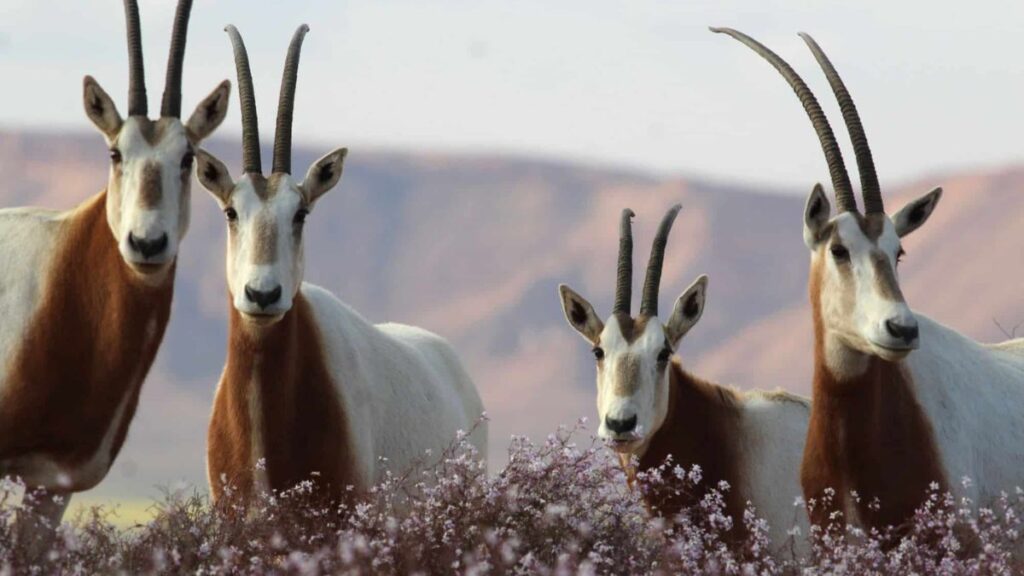
Introduction to Hormita: What are they and where can they be found?
Welcome to the enchanting world of hormita, nature’s tiny marvels that often go unnoticed in our daily lives. These fascinating creatures are a testament to the wonders of evolution and adaptation, playing vital roles in their ecosystems. From lush rainforests to arid deserts, hormita can be found thriving in diverse habitats around the globe. Dive into this captivating exploration as we uncover what makes these minuscule beings so extraordinary and essential for maintaining biodiversity on our planet. Whether you’re an aspiring naturalist or simply curious about wildlife, prepare to be amazed by the secrets of hormita!
The Incredible Adaptations of Hormita
Hormita showcase some of nature’s most remarkable adaptations. These tiny marvels have evolved features that enhance their survival in various environments. Their ability to blend seamlessly into surroundings provides excellent camouflage against predators.
Some species possess specialized limbs, allowing them to navigate treacherous terrains efficiently. This agility is crucial for escaping threats and hunting prey. In addition, certain hormita can alter their coloration based on environmental cues—a fascinating trait that aids both in protection and communication.
Unique feeding mechanisms also set them apart. Some use intricate mouthparts designed for extracting nutrients from hard-to-reach places, while others employ a filter-feeding strategy to capture microscopic organisms.
Hormita are not just resilient; they demonstrate an extraordinary range of reproductive strategies too. From laying eggs in protective casings to nurturing live young, these methods ensure the continuation of their lineage despite harsh conditions.
The Role of Hormita in Ecosystems
Hormita play a crucial role in their ecosystems, acting as both prey and predator. Their presence supports the delicate balance of food webs. As small organisms, they often serve as a vital source of nutrition for larger animals.
These tiny marvels also contribute to soil health. By breaking down organic matter, they help recycle nutrients back into the environment. This process is essential for plant growth and overall ecosystem vitality.
In addition to nutrient cycling, Hormita facilitate pollination for various plants. Some species engage with flowering plants, ensuring reproduction occurs effectively within these ecosystems.
Their interactions extend beyond just direct roles; Hormita influence microbial communities too. These relationships enhance biodiversity and promote ecological resilience.
The decline of Hormita populations can disrupt these intricate connections, leading to cascading effects throughout their habitats. Protecting them means safeguarding entire ecosystems from potential collapse or imbalance.
Famous Species of Hormita
The world of hormita is rich with unique species that showcase nature’s creativity. One standout is the dazzling Hormita iridescens, known for its shimmering colors that change in different light. This captivating organism can often be found perched on leaves, reflecting hues like a miniature rainbow.
Another fascinating example is Hormita gigantea. This species holds the title for size among its kin, growing up to several centimeters long. Its robust body allows it to thrive in harsher environments compared to others.
Then there’s Hormita nocturna, a master of camouflage. By day, it blends seamlessly into its surroundings but becomes active when night falls. Observing this species reveals how adaptability plays a key role in survival.
Each hormita species offers insight into evolutionary wonders and ecological balance within their habitats. Their diversity makes them essential subjects for ongoing research and admiration from nature enthusiasts everywhere.
How to Spot and Study Hormita in the Wild
Spotting hormita in the wild requires a keen eye and some patience. These tiny marvels often blend seamlessly into their surroundings, making them challenging to find.
Start your adventure early in the morning or late afternoon when they are most active. Look closely at tree bark, leaf litter, and even under rocks where they may hide. Their unique colors can be a giveaway if you know what to look for.
Bring along a magnifying glass to get a better view of these fascinating creatures without disturbing them. Observing from a distance is key; this minimizes stress on the hormita while allowing you to take detailed notes about their behavior.
Consider documenting your findings with photographs and sketches. This not only enhances your experience but also contributes valuable data for future research on these incredible insects.
Threats Facing Hormita Populations
Hormita populations face a myriad of threats that jeopardize their survival. Habitat destruction is among the most pressing issues. Urban development and agricultural expansion often encroach on their natural habitats, making it difficult for them to thrive.
Climate change poses another significant challenge. Shifting weather patterns can alter ecosystems, affecting food sources and breeding grounds. As temperatures rise, many species struggle to adapt.
Pollution also takes a toll on these tiny marvels. Contaminants in waterways impact their health and reproductive success. Pesticides used in agriculture can be particularly harmful, diminishing local populations.
Invasive species further complicate matters by disrupting the delicate balance of ecosystems where Hormita reside. These non-native organisms compete for resources or even prey upon native Hormita.
Conservation efforts are crucial now more than ever to mitigate these threats and ensure the continued existence of Hormita in our world.
Ethical Considerations when Interacting with Hormita
When observing hormita, it’s essential to prioritize their well-being. These tiny creatures play crucial roles in their ecosystems, and disturbing them can have unintended consequences.
Always maintain a respectful distance. Getting too close may stress them or disrupt their natural behaviors. Use binoculars for observation instead of attempting to touch or capture them.
Minimize your impact on their habitat. Avoid trampling vegetation or altering the environment around you as this affects not just hormita but other wildlife as well.
If you’re involved in research, adhere strictly to ethical guidelines. Ensure any studies are non-invasive and approved by relevant authorities.
Educating others about the importance of hormita is vital too. Sharing knowledge fosters respect for these unique organisms and promotes conservation efforts within local communities.
Future Research and Conservation Efforts for Hormita
Future research on hormita aims to unravel the mysteries of their biology and behavior. Scientists are keen to explore how climate change affects these tiny marvels and their habitats. Understanding their adaptability will be crucial in developing effective conservation strategies.
Conservation efforts are increasingly focusing on preserving the delicate ecosystems where hormita thrive. Protecting their natural environments ensures that they can continue to play vital roles in food webs. Initiatives such as habitat restoration and legal protections for endangered species are gaining traction.
Citizen science projects encourage the public to participate in monitoring local hormita populations. This grassroots approach not only raises awareness but also contributes valuable data for researchers.
Collaborations between scientists, conservationists, and local communities hold promise for successful outcomes. By working together, we can enhance our understanding of these extraordinary creatures while promoting sustainable practices that benefit both nature and humanity.
Conclusion: Appreciating the
The world of hormita is truly captivating. These tiny marvels, often overlooked, play vital roles in our ecosystems. Their incredible adaptations showcase nature’s ingenuity and resilience. From their unique behaviors to their interactions with other species, every aspect of hormita offers a glimpse into the complexity of life.
As we learn more about these fascinating creatures, it’s essential to recognize the threats they face due to habitat loss and climate change. Supporting conservation efforts can help ensure that future generations experience the wonder of hormita in their natural habitats.
Appreciating these remarkable organisms means advocating for their survival and understanding their significance within the broader ecological tapestry. By fostering curiosity about hormita, we not only enrich our own lives but also contribute to a healthier planet where such extraordinary beings can thrive alongside us.