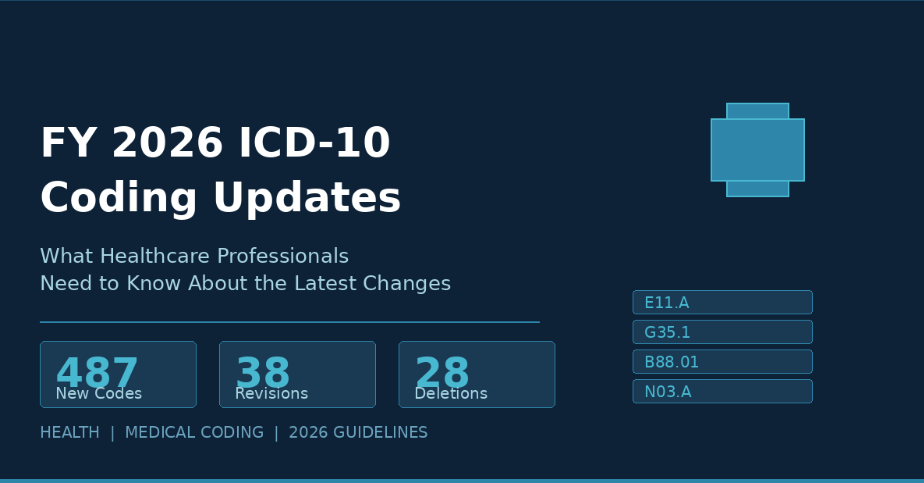
Every October, the medical coding world braces for change. But this year felt different. When the Centers for Medicare & Medicaid Services rolled out the FY 2026 ICD-10-CM update on October 1, 2025, the sheer scale of changes caught even seasoned coders off guard. We are talking about 487 brand-new diagnosis codes, 38 revisions, and 28 deletions. That is not a minor refresh. That is a structural shift in how we document patient care across the country.
So why should this matter to you, especially if you are not sitting in a billing office all day? Because ICD-10 codes touch everything. They shape how insurance claims get processed, how physicians track chronic illness, and how public health agencies spot emerging disease patterns. If you work anywhere near a hospital, clinic, or insurance desk, these codes affect your daily routine whether you realize it or not.
The Biggest Changes Worth Watching
A few updates stand out from the pack. The introduction of code E11.A for Type 2 diabetes in remission is a game-changer for endocrinology practices. Previously, coders had no clean way to indicate that a patient’s diabetes was under control to the point of remission. Now they do, but only when the treating physician explicitly documents it that way. Vague phrases like “resolved” or “history of diabetes” will not cut it. This is forcing tighter communication between doctors and coders, which is actually a good thing.
Multiple sclerosis coding got a complete overhaul, too. The old catch-all code G35 is now obsolete, replaced by eight more specific codes that distinguish between relapsing-remitting, primary progressive, and secondary progressive forms of the disease. Dermatology saw a massive expansion as well, with over 100 new codes for non-pressure chronic ulcers broken down by body site and severity. These granular additions help clinicians paint a much clearer picture of what they are actually treating.
Why Preparation Beats Panic
Here is the honest truth: most claim denials tied to annual coding updates happen because teams did not prepare early enough. One large payer in a previous cycle could not process claims by the October 1 deadline simply because they had not tested their systems against the new code set. The downstream mess took months to untangle. The smartest thing any coder, biller, or clinical documentation specialist can do right now is invest time in targeted study. Taking a reliable ICD-10 practice test is one of the most efficient ways to benchmark your current knowledge against the updated code set. It reveals blind spots before they become rejected claims on your desk.
Beyond individual study, organizations should run internal audits on their existing coding workflows. Are your EHR templates updated? Do your clinical decision support rules reflect the new codes? These are not theoretical questions. A missed code update can delay payment cycles, trigger compliance flags, and erode trust with payers.
Looking Ahead
CMS has already published a secondary update window starting April 1, 2026, which means additional procedure codes could drop mid-cycle. Healthcare organizations that build a habit of continuous learning rather than once-a-year cramming will always come out ahead. The complexity of modern medical coding is not going away. If anything, each annual update pushes toward more specificity, more documentation accountability, and more pressure on teams to get it right the first time. The professionals who treat preparation as part of their job, not an afterthought, are the ones who thrive.