
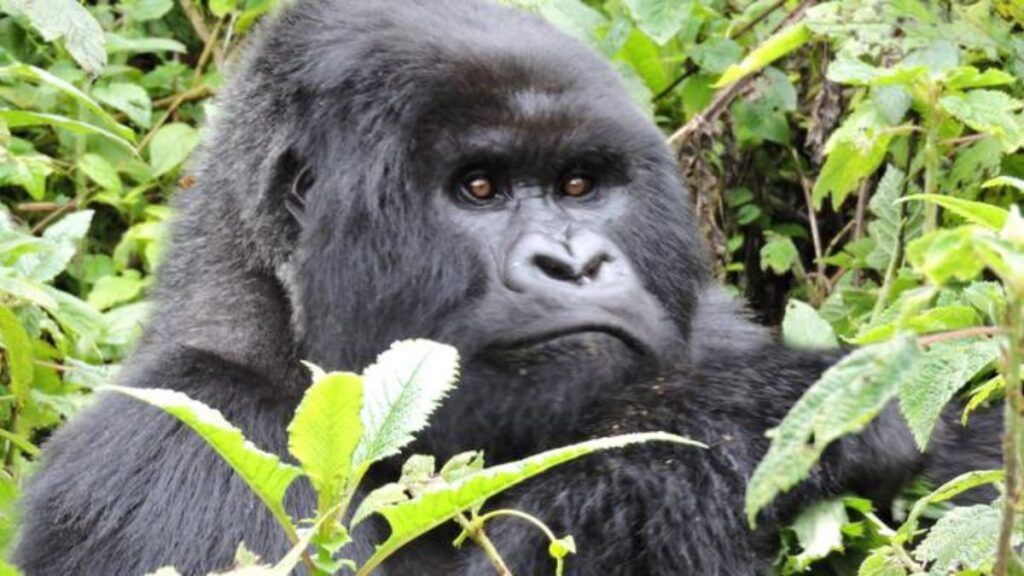
Introduction to the Silverback Gorilla
Deep in the lush, emerald forests of Central Africa roams one of nature’s most magnificent creatures: the silverback gorilla. With their powerful stature and striking presence, these gentle giants command respect and admiration. While they may appear intimidating, silverback gorillas possess a fascinating blend of strength and tenderness that captivates wildlife enthusiasts around the globe. As we delve into their world, prepare to be enchanted by their intricate behaviors, social bonds, and the vital role they play in our ecosystem. Join us on this journey as we explore what makes the silverback gorilla truly majestic!
Physical Characteristics and Behavior
The silverback gorilla is a remarkable creature, known for its impressive size and strength. Adult males can weigh between 350 to 450 pounds and stand about five to six feet tall when upright. Their powerful limbs are designed for climbing and knuckle-walking.
Covered in thick black fur, these majestic animals have prominent brow ridges and expressive faces that convey a wide range of emotions. The silver hair on their backs gives them their name, signaling maturity and dominance within the group.
Behaviorally, silverbacks are generally peaceful but will fiercely protect their family members when threatened. They communicate through vocalizations, gestures, and facial expressions. These social interactions play a crucial role in establishing bonds within groups.
Curiously intelligent, they often use tools like sticks to extract termites or ants from mounds. This adaptability highlights their problem-solving skills in the wild environment they inhabit.
Social Structure and Family Life
Silverback gorillas exhibit a fascinating social structure centered around family groups known as troops. Typically, these troops consist of one dominant silverback male, several females, and their offspring. The silverback plays a crucial role in maintaining peace and protecting the group from external threats.
Within this familial unit, relationships are strong and nurturing. Mothers are attentive caregivers, fostering bonds with their young through grooming and playful interactions. This behavior not only strengthens the mother-offspring connection but also promotes social skills among juveniles.
Communication is vital in gorilla societies. They use vocalizations, gestures, and body language to convey emotions or warnings. Such interactions help maintain harmony within the troop while reinforcing social hierarchies.
As protective leaders, silverbacks ensure that all members feel secure. Their leadership fosters an environment where cooperation thrives—a true testament to the power of family life among these magnificent creatures.
Diet and Habitat
The silverback gorilla thrives in the lush, dense forests of Central Africa. These majestic creatures prefer habitats rich in vegetation, allowing them to roam freely among towering trees and thick underbrush.
When it comes to diet, silverbacks are predominantly herbivorous. They feast on a variety of leaves, fruits, stems, and shoots. Their strong jaws are perfectly adapted for chewing tough plant material.
In addition to greenery, they occasionally consume insects like ants or termites as a protein supplement. This diverse diet supports their massive bodies and energetic lifestyle.
Living in tropical rainforests or mountainous regions provides these gorillas with shelter from predators while ensuring access to ample food sources year-round. Their habitat plays a crucial role in maintaining the delicate balance of their ecosystem.
Threats to the Species
The silverback gorilla faces numerous threats that jeopardize its survival. Habitat loss is one of the most pressing issues. As human populations expand, forests are cleared for agriculture and urban development. This encroachment disrupts their natural environment.
Poaching poses another significant danger. Gorillas are hunted for bushmeat or captured for illegal wildlife trade. Such actions not only reduce their numbers but also disturb social structures within groups.
Additionally, diseases like Ebola can devastate vulnerable populations of gorillas. These outbreaks have led to alarming declines in certain regions.
Climate change adds yet another layer of risk as shifting weather patterns alter food availability and habitat conditions. Each threat compounds the other, creating a precarious situation for these magnificent creatures. The future of the silverback gorilla hangs in balance due to these ongoing challenges.
Conservation Efforts
Conservation efforts for the silverback gorilla have gained traction over the past few decades. Various organizations are working tirelessly to protect these magnificent creatures and their habitats.
Protected areas like national parks play a crucial role in safeguarding gorillas from poaching and habitat destruction. These reserves not only provide safe environments but also create eco-tourism opportunities. Responsible tourism helps fund conservation projects while raising awareness about these animals.
Community engagement is another vital aspect of conservation. Local populations are educated on the importance of gorillas, fostering coexistence between humans and wildlife. Incentives for sustainable practices encourage communities to prioritize nature preservation.
Additionally, anti-poaching initiatives have become more robust with technology use, such as drones and GPS tracking systems. These tools help monitor movements within protected regions, ensuring rapid responses to threats.
Collaboration among governments, NGOs, and researchers strengthens these efforts further. Collective action amplifies impact, making a significant difference in preserving the future of silverback gorillas.
What We Can Learn from Silverback Gorillas
Silverback gorillas embody strength and gentleness. Their presence teaches us the importance of balance in life. They are powerful yet nurturing, showcasing how dominance doesn’t equate to aggression.
Family bonds are central to their existence. These majestic creatures highlight the significance of community support and cooperation. Watching them interact can inspire us to foster deeper connections with our own families.
Their communication is rich and expressive, emphasizing the need for understanding in relationships. They use body language to convey emotions, reminding us that actions often speak louder than words.
These animals also demonstrate resilience in challenging environments. Their ability to adapt offers lessons on perseverance and survival in an ever-changing world.
Silverbacks exhibit a profound respect for their habitat and fellow species. This connection urges us to appreciate nature’s intricate web of life and our role within it.
Conclusion
The silverback gorilla stands as a true icon of strength and resilience in the animal kingdom. With their impressive physical characteristics, intricate social structures, and complex behaviors, these majestic creatures captivate all who study them. Their family bonds highlight the importance of community and cooperation within their groups.
However, the challenges they face are significant. Habitat loss, poaching, and disease threaten their survival. Conservation efforts play a critical role in protecting these magnificent animals for future generations to admire.
By learning from silverback gorillas, we can gain valuable insights into empathy, leadership, and familial ties that transcend species boundaries. As stewards of our planet’s biodiversity, it is essential that we commit to preserving not just the gorillas but also their habitats.
In recognizing the importance of these kings of the jungle in both ecological balance and human inspiration, we can foster a deeper respect for wildlife conservation efforts worldwide. Each step taken toward safeguarding this incredible species brings us closer to ensuring that future generations will have the privilege to witness their majesty firsthand.