
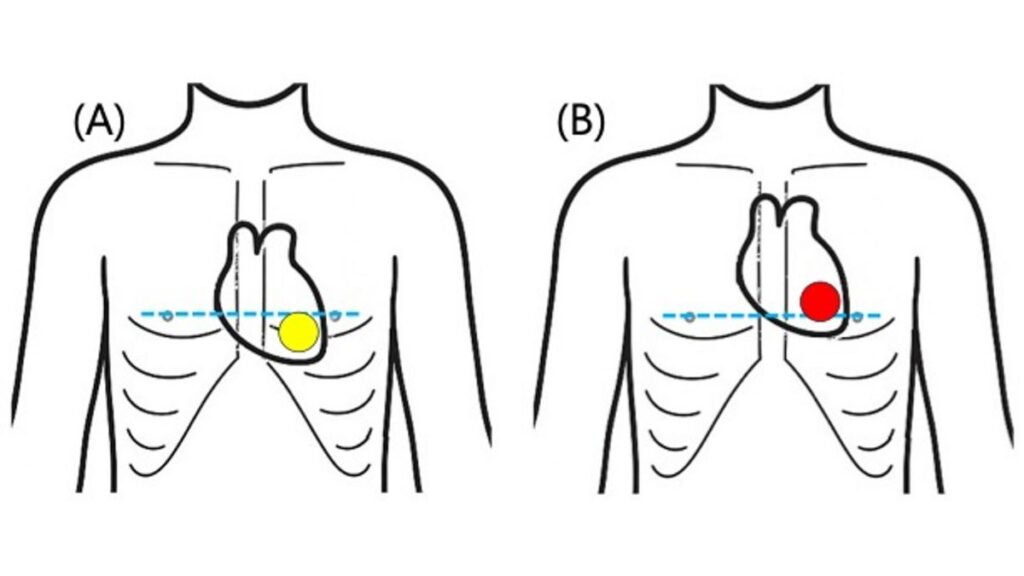
When it comes to heart health, numbers often tell a compelling story. One such crucial number is the CPR Index. But what exactly does this index mean for your cardiac well-being? As we delve into this important metric, you’ll discover how understanding and improving your CPR Index can pave the way for a healthier future. Whether you’re proactive about your health or just starting to learn about cardiovascular fitness, grasping the significance of the CPR Index is essential. Let’s dive in and explore why this figure matters far beyond mere statistics.
What is the CPR Index?
The CPR Index, or Cardiac Performance Ratio Index, serves as a vital indicator of heart health. It evaluates how efficiently your heart pumps blood throughout the body. This metric combines several physiological parameters to provide a comprehensive view of cardiac function.
Essentially, the CPR Index helps identify potential issues that might not be evident through standard tests alone. By measuring various factors such as heart rate and stroke volume, it offers insights into overall cardiac performance.
While traditional methods focus on singular aspects like blood pressure or cholesterol levels, the CPR Index presents a more holistic picture. It’s particularly useful in assessing risk profiles for conditions such as hypertension and heart disease. Understanding this index can empower individuals to take control of their cardiovascular health proactively.
How is it calculated?
Calculating the CPR Index involves a straightforward yet precise method. It combines various parameters that reflect an individual’s cardiac health.
The primary components include heart rate, blood pressure, and respiratory rate. These factors are measured during a resting state to provide accurate baseline data.
Once collected, these values are entered into a formula designed to produce the CPR Index score. This score reflects how well your cardiovascular system is functioning in relation to overall health risks.
Regular monitoring can help track changes over time. Small fluctuations may indicate stress or illness while significant shifts could signal more severe issues needing attention.
Understanding this calculation empowers individuals to take charge of their health decisions actively. By knowing where they stand on the CPR Index scale, people can make informed choices about lifestyle and preventive care.
The relationship between CPR Index and cardiac health
The CPR Index serves as a pivotal marker in evaluating cardiac health. It incorporates various factors that reflect how well the heart functions under stress and during rest.
A higher CPR Index typically indicates better cardiovascular efficiency. This means your heart is responding effectively to physical challenges, which is crucial for overall wellness.
Conversely, a low CPR Index may signal potential issues. It can suggest that the heart struggles to meet the body’s demands, leading to fatigue or even more serious conditions over time.
Research shows strong correlations between CPR Index levels and common cardiac diseases. Monitoring this index can help identify risks early, allowing for proactive interventions.
Understanding your CPR Index empowers individuals to take charge of their cardiac health actively. Regular assessments provide essential insights into one’s fitness journey and future health prospects.
Common risk factors for poor CPR Index
Several factors can contribute to a poor CPR Index. Lifestyle choices often play a significant role. A diet high in saturated fats and sugars leads to obesity, increasing the risk for heart disease.
Physical inactivity is another major concern. Sedentary behavior weakens the heart and lungs, directly affecting overall cardiovascular health.
Stress also takes its toll on cardiac functions. Chronic stress raises blood pressure and contributes to unhealthy coping mechanisms, such as smoking or excessive drinking.
Genetics cannot be overlooked either; family history of heart conditions heightens individual risks significantly.
Certain medical conditions like diabetes and hypertension further complicate matters. They create additional strain on an already vulnerable cardiovascular system.
Being aware of these risk factors allows individuals to take proactive steps toward improving their CPR Index. Addressing them early on can pave the way for better cardiac health down the line.
How to improve your CPR Index
Improving your CPR Index is a proactive step toward better heart health. Start with regular physical activity. Aim for at least 150 minutes of moderate exercise each week, like brisk walking or cycling.
Nutrition plays a crucial role as well. Focus on a balanced diet rich in fruits, vegetables, whole grains, and lean proteins. Reduce your intake of processed foods and sugars to support cardiovascular health.
Stay hydrated by drinking plenty of water throughout the day. Dehydration can negatively impact your heart function.
Don’t underestimate the power of stress management techniques. Practices such as meditation and yoga can help lower blood pressure and improve overall wellness.
Regular check-ups with healthcare professionals are vital too. They can provide personalized advice based on your unique health profile and monitor changes in your CPR Index over time.
The role of healthcare professionals in monitoring and improving CPR Index
Healthcare professionals play a critical role in monitoring the CPR Index. They provide essential insights and evaluations that can lead to better cardiac health outcomes.
Regular assessments are key. Doctors use the CPR Index to identify early warning signs of cardiovascular issues. This proactive approach helps in tailoring individualized care plans.
Nurses also contribute significantly by educating patients about lifestyle choices affecting their CPR Index. They empower individuals with knowledge on diet, exercise, and stress management.
Collaboration among healthcare teams is vital for effective monitoring. Cardiac specialists work alongside primary care providers to share data and strategies for improvement.
Through routine check-ups and follow-ups, these professionals ensure that changes are made promptly when necessary. Their expertise can make all the difference in managing heart health effectively over time.
Real-life examples of the impact of CPR Index on overall health
Real-life stories highlight the significance of the CPR Index in everyday health management. For instance, a 55-year-old man diagnosed with hypertension discovered his low CPR Index during a routine check-up. With lifestyle changes and medication, he improved his index significantly and reduced his blood pressure.
Similarly, a young athlete experienced fatigue during training sessions. Monitoring her CPR Index revealed it was lower than expected for someone her age. Adjustments to her diet and exercise regimen led to remarkable enhancements in both her index and overall performance.
A woman in her early forties noticed an increase in stress levels impacting her heart rate variability. By focusing on mindfulness techniques and cardiovascular activities, she saw improvements not just in her CPR Index but also in mental clarity and emotional well-being.
These examples illustrate that tracking the CPR Index can lead to better decisions around lifestyle choices, ultimately improving health outcomes across various demographics.
Future advancements and potential uses of the CPR Index
The future of the CPR Index is bright, with ongoing research uncovering new applications in cardiac health monitoring. As technology advances, we can expect more sophisticated algorithms that analyze a wider array of data points. This could lead to real-time tracking and personalized insights.
Wearable devices are becoming increasingly popular for monitoring heart health. Integrating the CPR Index into these tools allows individuals to stay informed about their cardiac status throughout the day.
Additionally, advancements in artificial intelligence may enhance predictive analytics related to heart disease risk. By leveraging vast amounts of data, physicians can identify at-risk patients earlier than ever before.
Telemedicine also plays a crucial role here. With remote consultations becoming common, healthcare professionals might use the CPR Index as a key metric during virtual assessments. This means better access to care and tailored treatment plans for patients everywhere.
Embracing interdisciplinary collaboration will further elevate our understanding and utilization of the CPR Index across various health fields.
Conclusion
Understanding the CPR index is crucial for anyone interested in maintaining cardiovascular health. This simple yet effective measure provides insight into an individual’s heart performance and overall wellness. With the right knowledge and tools, improving your CPR index becomes a feasible goal.
By recognizing common risk factors and working closely with healthcare professionals, individuals can take significant strides toward better heart health. Real-life case studies further illustrate how adjusting lifestyle choices can lead to tangible improvements in one’s CPR index.
As technology advances, we are likely to see even more innovative ways to utilize the CPR index, enabling personalized care tailored to each unique patient. Keeping an eye on this critical metric not only enhances personal awareness but also fosters a proactive approach towards heart health management.
Staying informed about your CPR index could be one of the most impactful decisions you make for your well-being. Embrace it as part of your journey toward a healthier life—every heartbeat counts.